Back
Does the CRA Know How Many Bank Accounts You Have?


Written By
Nick Saraev

Reach your savings goals faster with one of the highest interest rates
The CRA does not necessarily have a live, complete list showing every regular bank account you own simply because you opened one.
However, financial institutions report certain information to the CRA, and the agency can obtain additional banking records when necessary to administer or enforce Canadian tax laws.
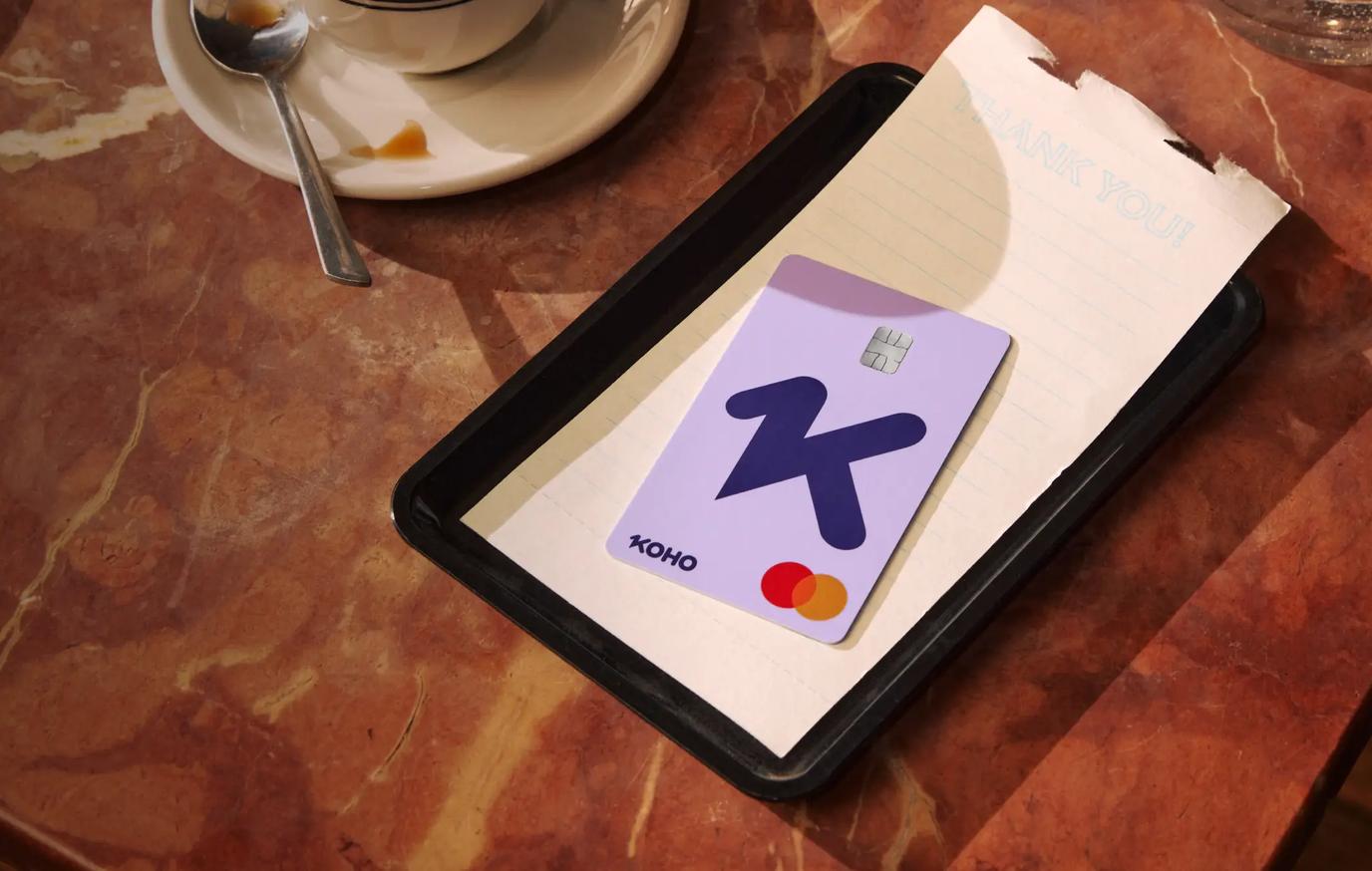
KOHO High Interest Savings
It is a prepaid Mastercard, so you spend your own money while still earning high interest.
With KOHO High Interest Savings, you can:
Grow your savings up to 3.5% interest
Earn a 2% cash back rate on groceries, eating, drinking, and transportation and 0.5% cash back on everything else
Unlimited transactions and free e-transfers
No minimum balance required, ever
What Bank Account Information Does the CRA Receive?
Financial institutions send the CRA various tax slips and registered-account records.
For example, the CRA receives copies of T5 slips issued for investment income such as interest earned in non-registered accounts.
This means the CRA may know about accounts that generate reportable income even if you never separately tell the CRA that the account exists.
However, receiving tax information about certain accounts is not the same as automatically maintaining a complete, real-time count of every chequing and savings account you have.
Does Your Bank Report Interest to the CRA?
Yes, when the reporting requirements apply.
Financial institutions generally issue T5 slips for taxable investment income such as interest.
A T5 slip does not generally have to be prepared when the total amount paid to one recipient is less than $50 for the year. However, you still have to report taxable interest income even when you do not receive a T5.
Does the CRA Know About Your TFSA?
Yes.
TFSA issuers report information to the CRA annually. This includes contributions and withdrawals.
The CRA uses that information to update your TFSA records and contribution room.
If you have several TFSAs at different financial institutions, they all share the same overall TFSA contribution room.
Does the CRA Know About Your RRSP?
Registered plans such as RRSPs also generate information that may be reported to the CRA.
For example, RRSP contributions are reported so they can be used when determining deductions and contribution room.
This is different from an ordinary chequing account where simply holding the account does not necessarily create taxable income or a tax slip.
Can the CRA See Your Bank Statements?
Not automatically whenever it wants.
However, during a legitimate compliance review or audit, the CRA has legal information-gathering powers.
The CRA can request records from a taxpayer and can issue a formal requirement to a financial institution for banking information when that information is relevant to administering or enforcing tax laws.
Banking information obtained during an audit can include things such as:
Account balances
Bank statements
Loan accounts
Mortgages
Credit card records
RRSP balances
Information used to locate banking relationships
Can the CRA Find an Undisclosed Bank Account?
Potentially, yes.
If the CRA is reviewing your tax affairs, it can compare information from different sources and request supporting records.
Large unexplained deposits or income that does not appear consistent with what was reported on your tax return could lead to questions.
Simply having multiple bank accounts is not a problem. The issue is whether taxable income and other required information are being reported correctly.
What About Foreign Bank Accounts?
Foreign accounts can have additional reporting requirements.
Canadian residents who own certain specified foreign property with a total cost of more than $100,000 at any point during the year may need to file Form T1135.
Certain foreign financial account information may also be exchanged between Canada and other countries through international information-sharing systems such as the Common Reporting Standard.
Canadian financial institutions likewise collect certain tax-residency information for these purposes.
Is It Illegal to Have Multiple Bank Accounts?
No.
You can have multiple:
Chequing accounts
Savings accounts
Accounts at different financial institutions
Joint accounts
Registered accounts
There is no general rule limiting Canadians to a certain number of bank accounts.
You simply need to report any taxable income and comply with applicable tax and account reporting requirements.
Does the CRA Know How Much Money Is in Your Bank Account?
The CRA does not continuously monitor the balance of every ordinary Canadian bank account.
However, it may receive information connected to the account through tax slips or registered account reporting. It can also request more detailed banking records when legally required for an audit or other tax compliance activity.
About the author
Nick is a freelance writer and entrepreneur with a particular interest in business finance. He's been featured in publications like Popular Mechanics and Apple News
Read more about this author